Escaping the Winter Rain: The Most Entertaining Indoor Spots for Kids
A ninja warrior obstacle course with a foam pit landing, a butterfly house kept at 80 degrees specifically because the butterflies "love the humidity," and a scream room built for exactly the kind of frustration a gray Seattle winter produces — this isn't a generic "museums and libraries"...
In this article
A ninja warrior obstacle course with a foam pit landing, a butterfly house kept at 80 degrees specifically because the butterflies "love the humidity," and a scream room built for exactly the kind of frustration a gray Seattle winter produces — this isn't a generic "museums and libraries" rainy-day list.
This roundup skips the obvious and focuses on what actually holds a kid's attention through a full afternoon of rain: places built around movement, sensory play, and things you genuinely can't do anywhere else. A few require some driving beyond city limits, which is worth it for what's on the other end.
1. DEFY Seattle — Tukwila
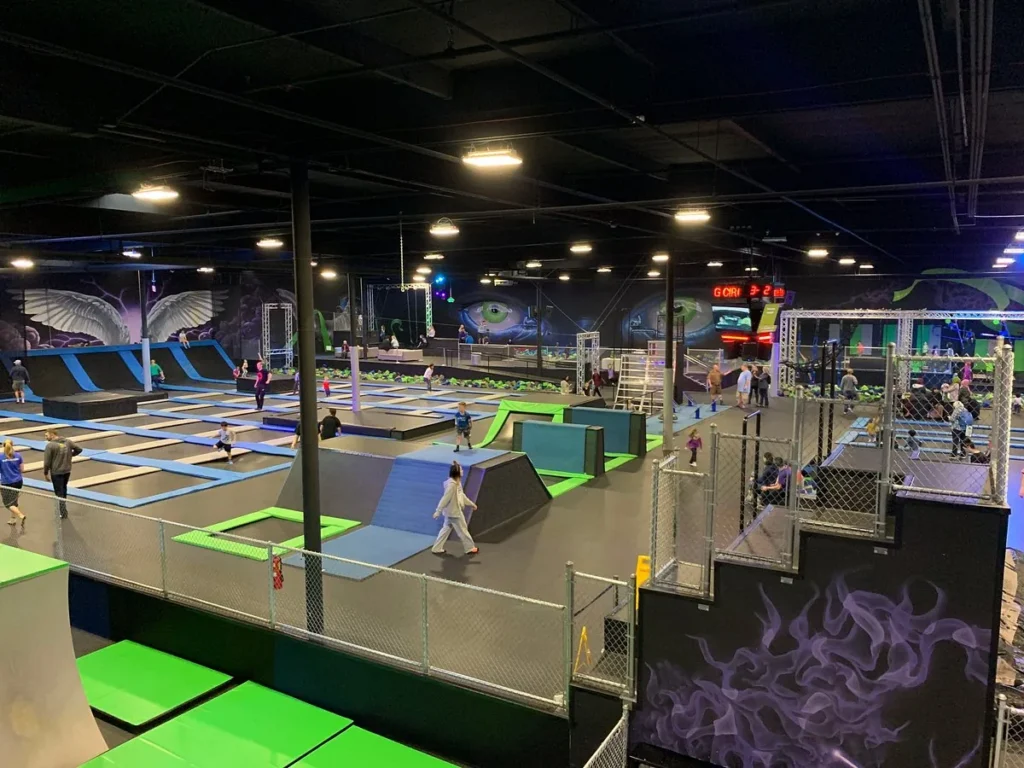
This is less a trampoline park and more a full ninja-warrior training facility. Kids climb, swing, and launch through obstacle courses before falling — deliberately — into foam pits, and there's a genuine stunt airbag setup like the ones used in movie falls. It's built for kids who need to burn real energy, not just bounce in place.
Tukwila, roughly 12 miles south of Seattle. Check current hours and age requirements before visiting.
2. Pacific Science Center's Tropical Butterfly House — Seattle Center
Step into a room kept warm and humid year-round specifically so hundreds of butterflies will stay active and flying, even on the coldest, darkest days outside. It's a genuine sensory reset — the air itself feels different the moment you walk in, thick and warm against a Seattle winter. The rest of the Science Center's hands-on exhibits on light, sound, dinosaurs, and space are worth building a full day around.
200 2nd Ave N, Seattle (Seattle Center). Plan for a half day or more.
3. MoPOP (Museum of Pop Culture) — Seattle Center
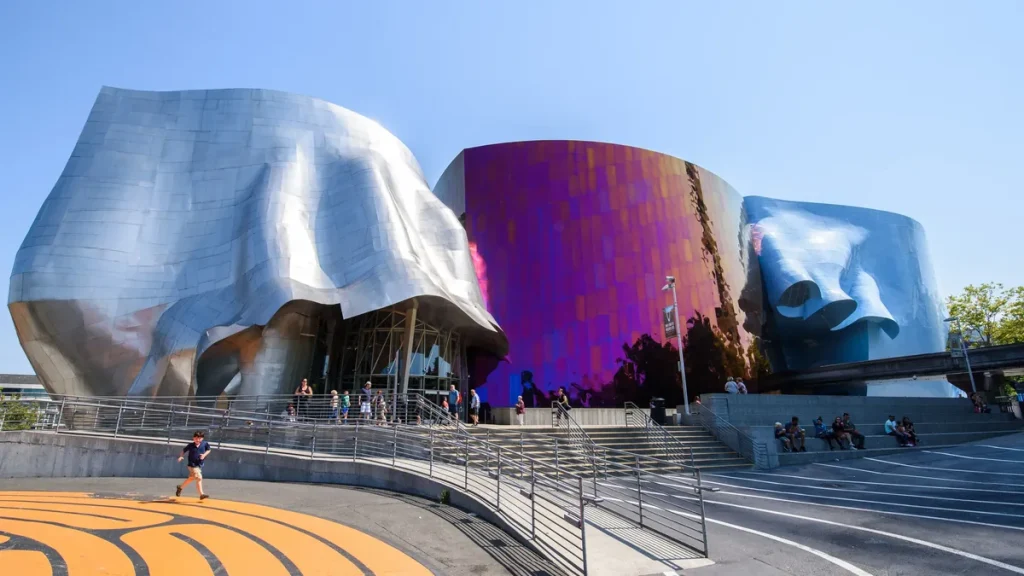
Housed in a Frank Gehry-designed building that looks like it's still mid-motion, MoPOP runs interactive exhibits spanning music, video games, science fiction, and horror — hands-on stations rather than glass cases to look at from a distance. It skews toward older kids and teens more than the Science Center or Children's Museum, but it's one of the few Seattle museums built around genuine pop-culture obsession rather than general education.
325 5th Ave N, Seattle (Seattle Center). Check current exhibits before visiting.
4. Burke Museum — University of Washington Campus
A natural history museum built around actual research happening on-site — visible fossil prep labs where you can watch real paleontologists working, dinosaur skeletons, and Pacific Northwest natural history exhibits that go well beyond a standard "look but don't touch" museum visit.
4300 15th Ave NE, Seattle (UW campus). [INTERNAL LINK: UW Campus Photo Spots]
5. Seattle Children's Museum — Seattle Center
Multiple distinct play spaces designed for open-ended, imaginative play rather than a single set of exhibits — families have reported spending five-plus hours here without running out of things to do, since there's no clock pushing kids through in a set order.
305 Harrison St, Seattle (Seattle Center, lower level of the Armory).
6. We Rock the Spectrum Kid's Gym — Eastside
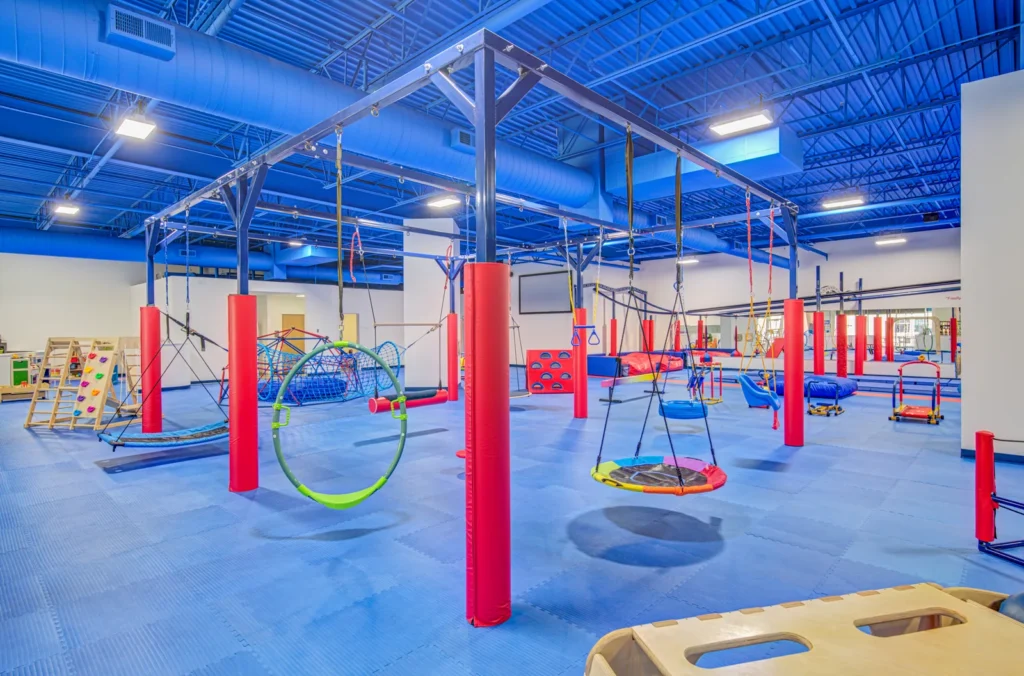
An indoor play space built specifically around sensory-friendly equipment, much of it drawn from occupational therapy practice, designed to work for kids of all abilities rather than a narrow age or ability range. It was founded by parents of twins with autism who wanted a space with zero judgment built in — a genuinely different kind of "indoor play space" than a standard bounce house franchise.
Eastside location; check current address and hours before visiting.
7. Seattle Aquarium — Downtown Waterfront
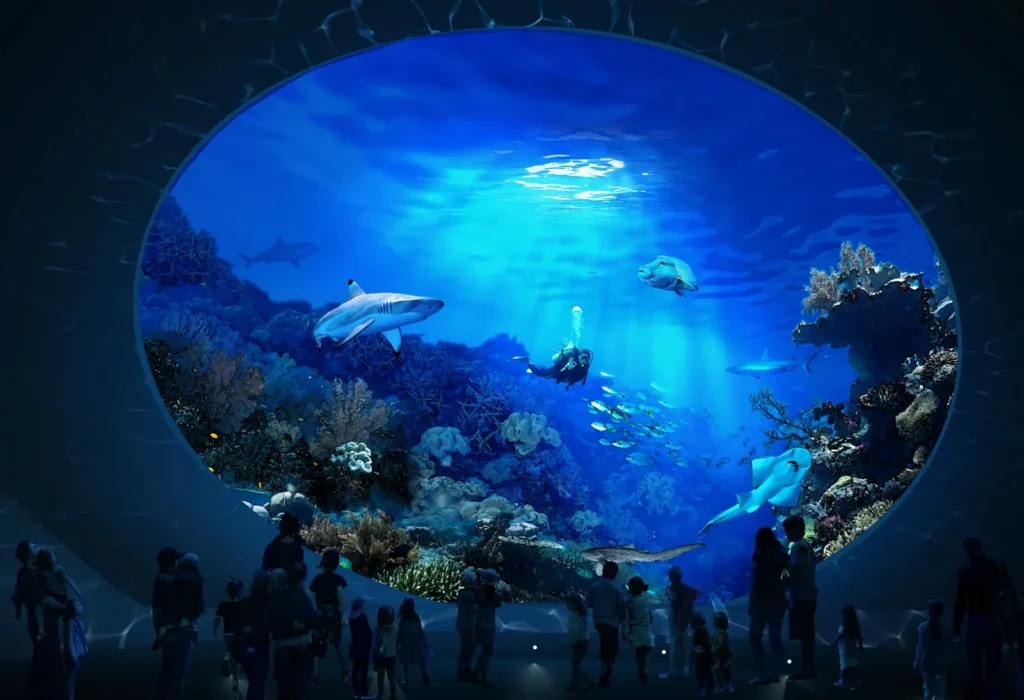
Three connected buildings holding roughly 3,000 marine species, right on the downtown waterfront — close enough to Pike Place Market to combine into one trip. It's a fully indoor way to spend hours without ever checking the weather outside.
1483 Alaskan Way, Seattle. Located on the downtown waterfront.
8. Ride the Seattle Monorail — Just for the Ride
Sometimes the activity is the transit itself. Built for the 1962 World's Fair and still running its original 0.9-mile route between Westlake Center and Seattle Center in about two minutes, the fully enclosed monorail turns "getting there" into part of the fun — sit at the front for a clear Space Needle view as you approach Seattle Center.
Westlake Center to Seattle Center. Kids 5 and under typically ride free.
9. Worth the Drive: Hands On Children's Museum — Olympia
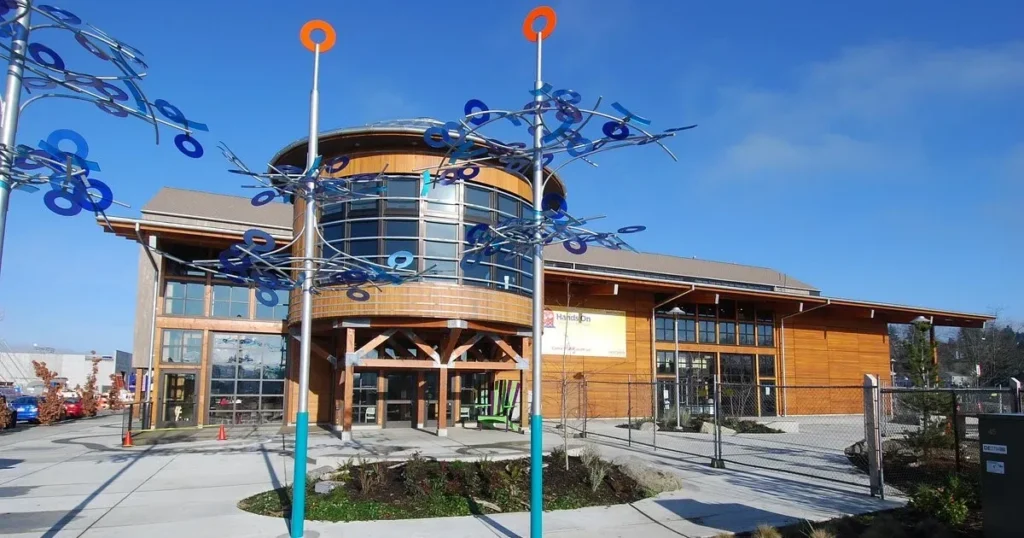
If a full day trip is on the table, Olympia's children's museum includes something most indoor play spaces don't: a dedicated scream room, where kids (and honestly, adults) can let out exactly the kind of frustration a long gray winter builds up. Regulars report losing entire afternoons here without kids wanting to leave for lunch.
Olympia, roughly 60 miles south of Seattle. Plan for a half day or more if making the drive worthwhile.
Frequently Asked Questions
What's the most physically active option on this list?
DEFY Seattle in Tukwila, by a wide margin — it's built around obstacle courses, foam pits, and stunt airbags rather than standard museum-paced walking.
Is there anything here specifically designed for kids with sensory sensitivities?
We Rock the Spectrum Kid's Gym on the Eastside was built specifically around sensory-friendly equipment and an inclusive, judgment-free environment for kids of all abilities.
Which of these can be combined into one day without much travel?
Pacific Science Center, MoPOP, and the Seattle Children's Museum are all at Seattle Center within a few minutes' walk of each other, connected to downtown by the monorail.
Is the scream room at Hands On Children's Museum real?
Yes — it's a specific, dedicated room at the Olympia museum built for exactly that purpose, and it's one of the more unusual features on this whole list.
What's the best pick for very young kids versus older kids and teens?
The Seattle Children's Museum and Pacific Science Center skew toward younger children with open-ended, hands-on play; MoPOP's music and horror exhibits tend to land better with older kids and teens.
Start with whichever cluster is closest — Seattle Center covers three of these in one trip — and save DEFY Seattle or the Olympia scream room for a day when the whole family needs to burn off real energy rather than just stay dry.
References
- "5 places to play on a rainy Puget Sound day," KING 5: https://king5.com/article/entertainment/television/programs/evening/places-to-play-rainy-day-seattle-weather-kids/281-494221f0-07a8-4783-84ea-946779a59213
- "Things To Do in Seattle, Washington When It Rains," Getaflight: https://getaflight.odoo.com/blog/our-blog-1/things-to-do-in-seattle-washington-when-it-rains-indoor-activities-4
- "12 great things to do in Seattle when it rains," KTVZ/Stacker: https://ktvz.com/stacker-travel/2024/11/06/12-great-things-to-do-in-seattle-when-it-rains/
- "Rainy day activities Seattle," Sandbox VR: https://sandboxvr.com/articles/rainy-day-activities-seattle
- "A Week in the Kid-Friendly Emerald City: Seattle for the Little Ones," Fora Travel: https://www.foratravel.com/guides/TLGJEV/a-week-in-the-kid-friendly-emerald-city-seattle-for-the-little-ones-laura-tuffery
- Burke Museum, official site: https://www.burkemuseum.org