Hidden Gems in Downtown Seattle: 10 Spots to Find
Downtown Seattle has more to offer than the market, the Needle and the Great Wheel. These 10 lesser-known places include a hidden waterfall, a buried-in-plain-sight train hall, a free art museum and a tea house with a Japanese bathhouse in the basement. Most are free or cheap.
In this article
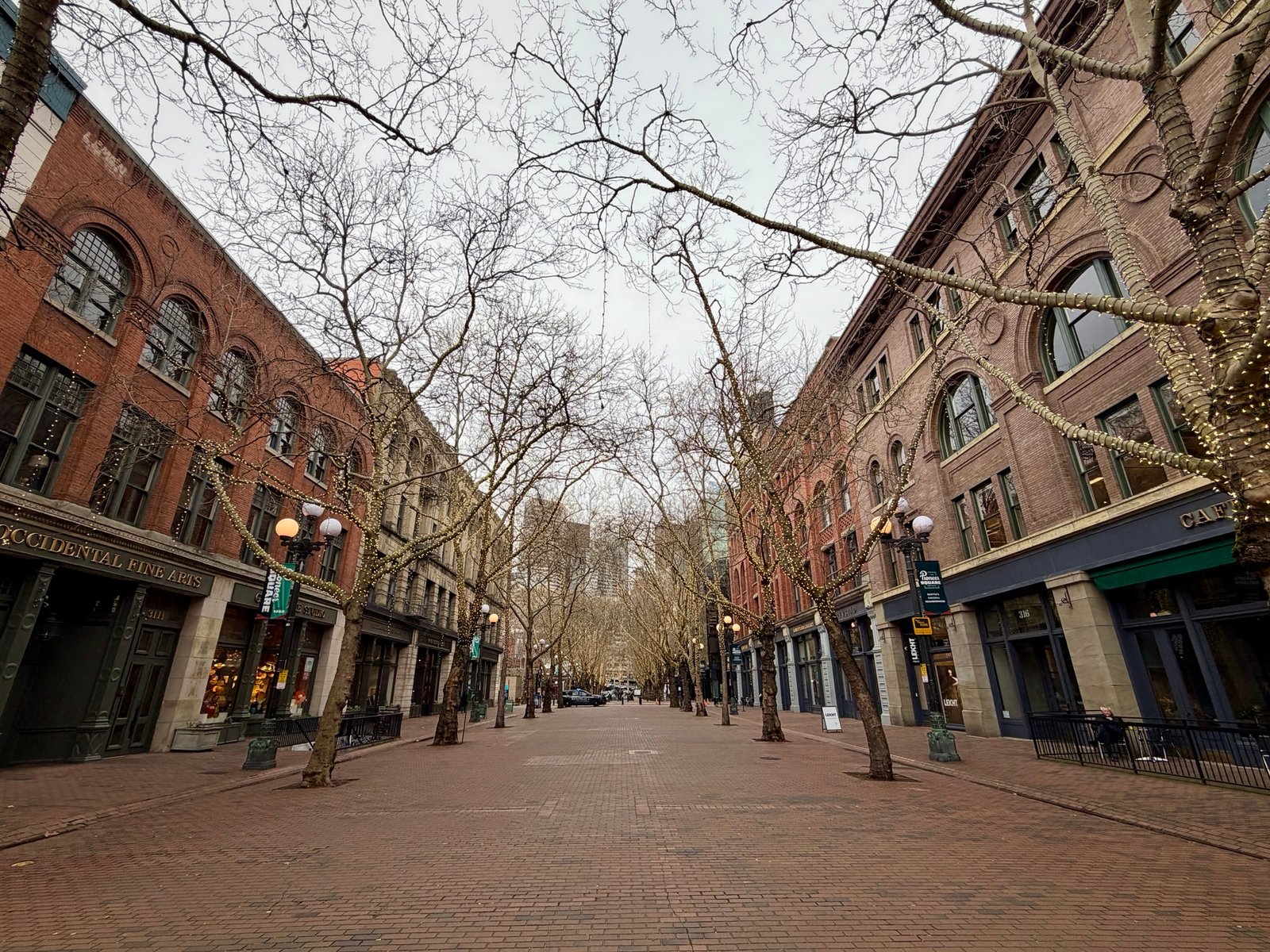
Everyone knows Pike Place Market. Far fewer people have stood in the quiet pocket park with a 22-foot waterfall in Pioneer Square, or seen the 1911 train station hall that rarely has a crowd. This list of hidden gems in Downtown Seattle is for locals who think they have seen everything downtown and for visitors who have already done the classics.
Most of these places are free, small and easy to fit between bigger plans. Several sit in or near Pioneer Square and the Chinatown–International District, so you can group them into a half-day walk. If you have not done the famous stops yet, start with our guide to downtown Seattle’s must-see places, then come back here. For a full list of things to do this season, see our fall and winter guide to Seattle.
| Gem | Area | Typical cost | Why go |
|---|---|---|---|
| Giant Shoe Museum | Pike Place Market | A few quarters | Oddity, 5 minutes |
| Post Alley | Pike Place Market | Free | Hidden doors, quiet corners |
| Waterfall Garden Park | Pioneer Square | Free | Hidden 22-foot waterfall |
| Klondike Gold Rush National Historical Park | Pioneer Square | Free | Gold rush history |
| Union Station Great Hall | Pioneer Square edge | Free | 1911 architecture |
| Freeway Park | Downtown core | Free | Concrete canyons, fountains |
| Sky View Observatory | Downtown core | Paid; check current rates | Higher view than the Needle |
| Frye Art Museum | First Hill | Free | Free art |
| Wing Luke Museum | Chinatown–International District | $25.95 adults | Asian Pacific American history |
| Panama Hotel Tea & Bookhouse | Japantown | Price of tea | Historic tea house |
Hours and prices change. Confirm on each official site before you go.
Hidden in Pike Place Market
The Giant Shoe Museum
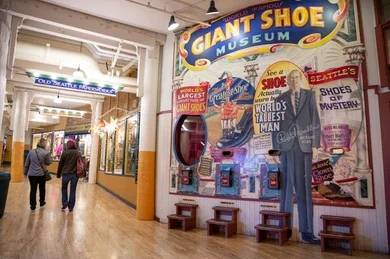
Tucked beside Old Seattle Paperworks, this sideshow-style exhibit wall holds part of Danny Eskenazi’s collection of oversized shoes, including a size 37 brogue once worn by Robert Wadlow, the world’s tallest man. You drop quarters into coin boxes and peer through the viewing slots. It takes five minutes and costs a few coins, which makes it one of the cheapest memories downtown.
- Where: 1501 Pike Pl, outside Old Seattle Paperworks
- Cost: A few quarters; bring change
Post Alley
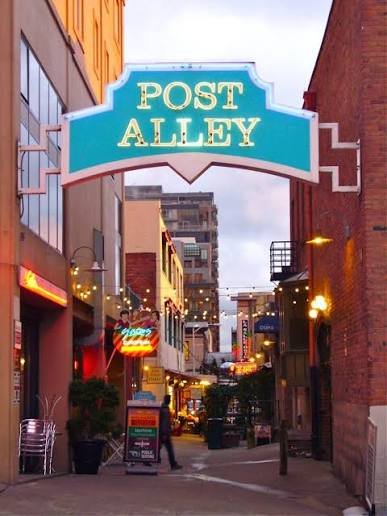
Most visitors stay on the main arcade and miss Post Alley, the narrow back lane that runs behind and beneath the market. It is quieter than Pike Place, and it holds a run of small bars, restaurants and theaters, including The Pink Door at 1919 Post Alley, whose entrance is an unmarked pink door that looks abandoned. Rachel’s Ginger Beer at 1530 Post Alley is a quick stop for an artisanal soda; it also serves boozy floats to the 21-and-over crowd.
Walk it in the late afternoon when the lights come on. For a warm drink near the market afterward, see the best hot apple cider in Seattle.
- Where: Post Alley, between Pike and Virginia streets
- Cost: Free to walk
Local Tip: If you only have time for one block, do the stretch from the Gum Wall to Rachel’s Ginger Beer. You get the doors, the lanterns and almost none of the market crowd.
Pioneer Square and the Edges
Waterfall Garden Park
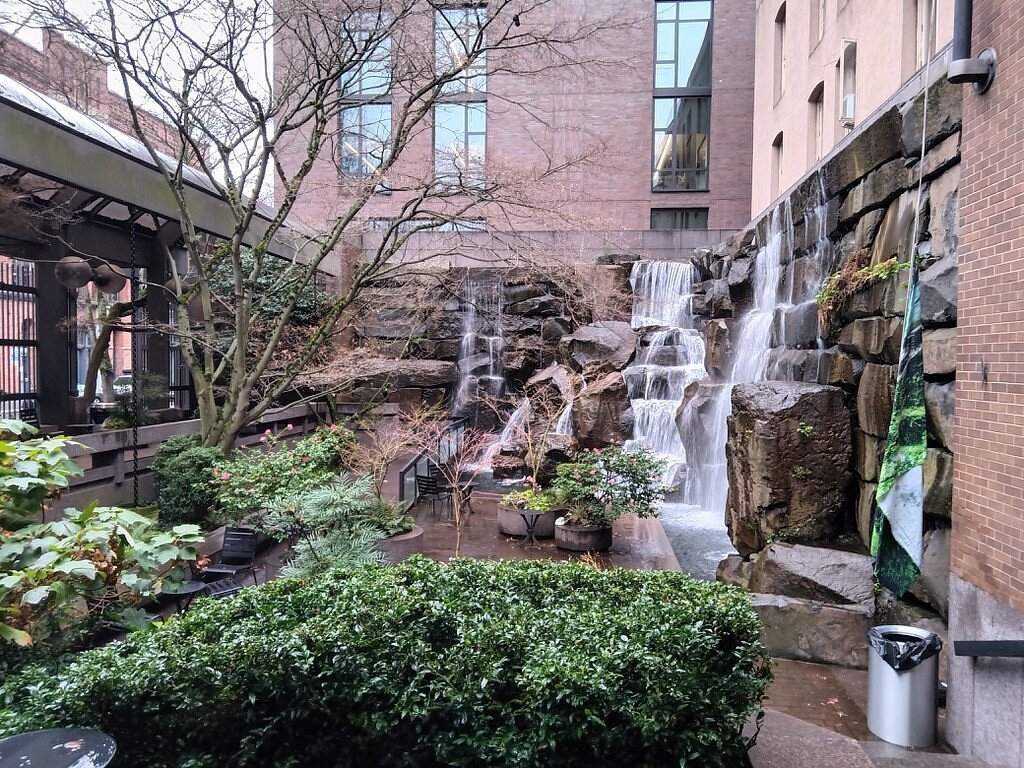
A 22-foot waterfall drops in a tiny pocket park in the middle of Pioneer Square, and it feels like a stage set. The park opened in August 1978 on the site of the first UPS headquarters in Seattle, and it was designed by Masao Kinoshita and paid for by the Annie E. Casey Foundation. It is open daily from 8 a.m. to 5:45 p.m., and it is free.
- Where: 219 2nd Ave S
- Cost: Free
- Hours: Daily, 8 a.m. to 5:45 p.m.
Trivia: The park sits on the site of the first UPS headquarters, founded in 1907 in Pioneer Square, which is why some older maps call it “UPS Park.”
Caveat: Seating is limited, and the park is tiny. Visit on a weekday morning if you want a spot at the water.
Klondike Gold Rush National Historical Park
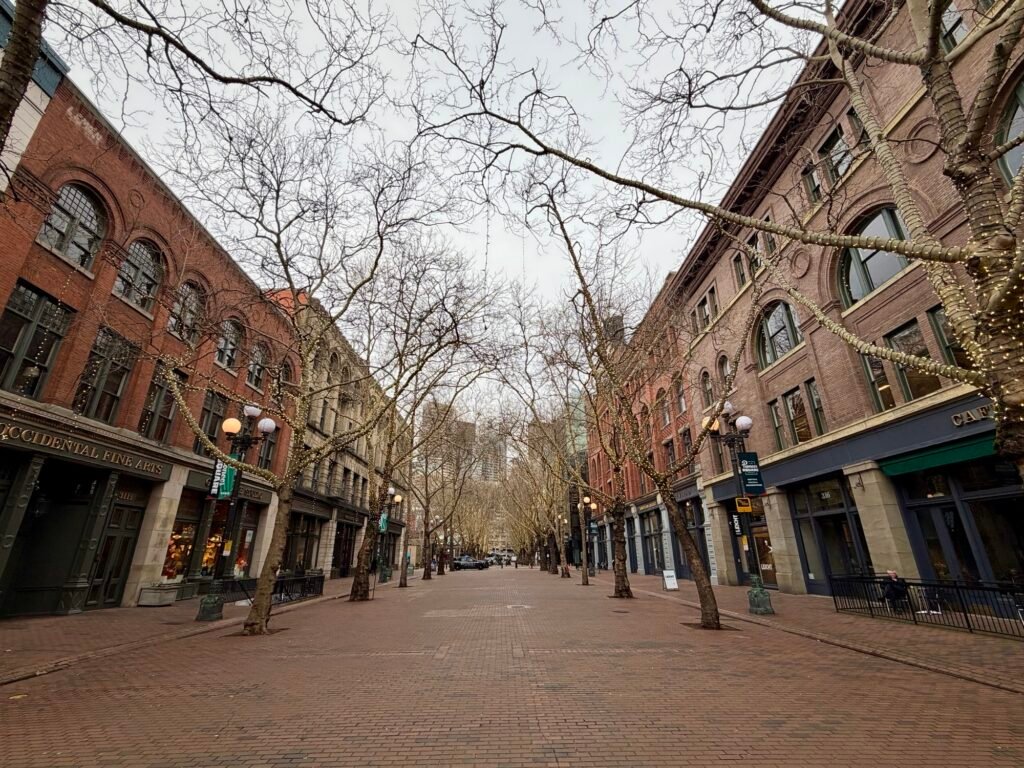
The Seattle unit of this national park tells the story of the 1897 stampede to the Yukon gold fields and why Seattle, as the outfitting hub, grew rich from it. It is run by the National Park Service and is free. The visitor center is on Second Avenue S, and exhibits and short films cover what miners had to haul north.
While you are in Pioneer Square, look for the Pioneer Square pergola at 1st Ave and Yesler Way, a restored 1909 cable-car shelter that was rebuilt after a truck destroyed it in 2001.
- Where: 319 2nd Ave S
- Hours: Wednesday–Sunday, 10 a.m. to 5 p.m.
- Cost: Free
Union Station Great Hall
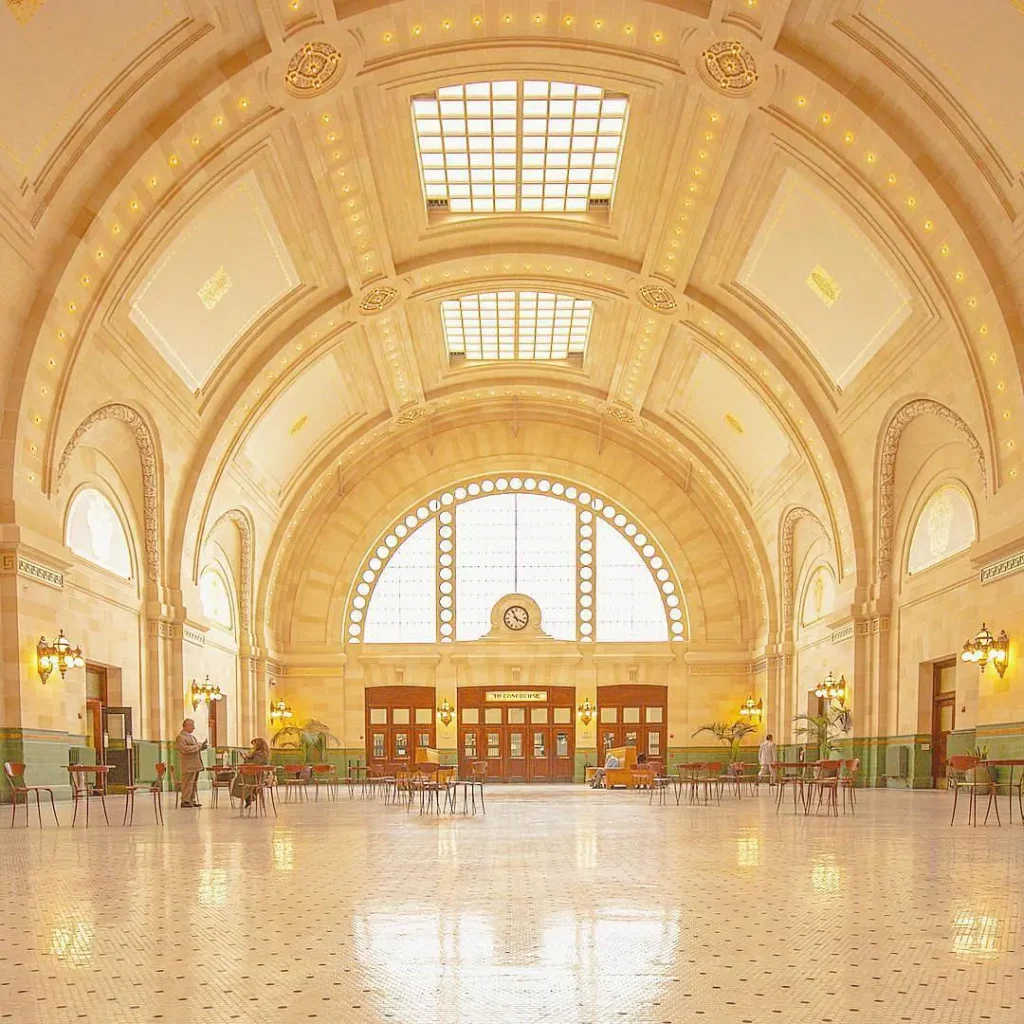
Opened May 20, 1911 as the Oregon and Washington Station, Union Station has a Great Hall with a 55-foot ceiling and tall arched windows. The building now houses Sound Transit offices and is usually quiet unless a wedding or event has rented the hall. It is open to the public during business hours, Monday through Friday. Step in, look up and leave. It takes 10 minutes and costs nothing.
- Where: 401 S Jackson St
- Hours: Business hours, weekdays; confirm before you go
- Cost: Free
Caveat: The hall is sometimes closed for private events, so check before making a special trip.
Downtown Core
Freeway Park
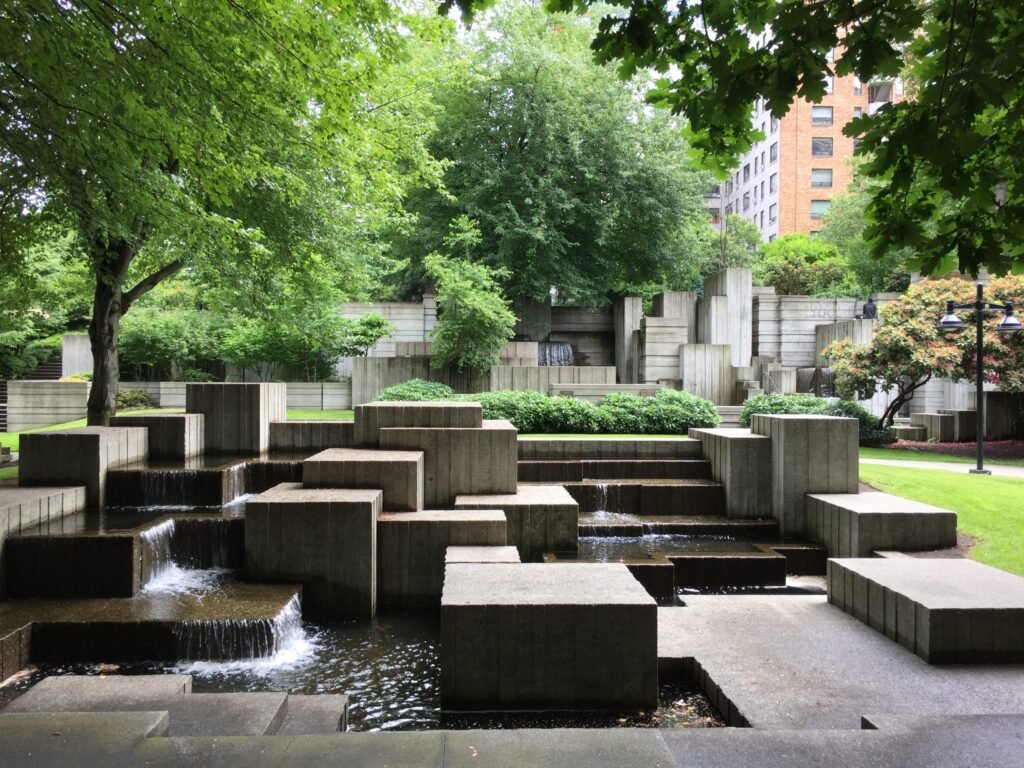
Freeway Park is a 5.5-acre park built over Interstate 5, designed by Lawrence Halprin’s office under the direction of Angela Danadjieva. The canyon fountain opened on July 4, 1976, as part of the bicentennial. Its linked concrete plazas, planters and waterfalls look unlike any other Seattle park. A glass window near the canyon base lets you see the cars below.
The park can feel empty and confusing at first, so go in daylight and bring a friend if you are nervous. It is a good counterpoint to the glass-and-steel downtown around it.
- Where: Between Seneca and Spring streets, over I-5
- Cost: Free
By the Numbers: 5.5 acres, a fountain that originally ran at 28,000 gallons per minute over 30-foot-tall concrete blocks, built on top of I-5.
Sky View Observatory
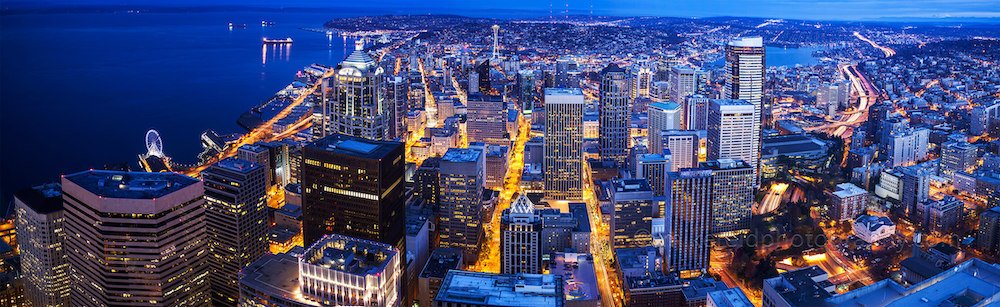
On the 73rd floor of Columbia Center, the Sky View Observatory sits nearly 1,000 feet above the ground, higher than the Space Needle’s deck. Tickets are timed and sold online. Third-party listings show prices starting around $28, but confirm on the official site before you budget. Pick a clear day, since the view is only worth it if you can see the mountains.
- Where: 700 4th Ave, 73rd floor
- Cost: Paid; check current rates
Beyond Downtown’s Center
Frye Art Museum
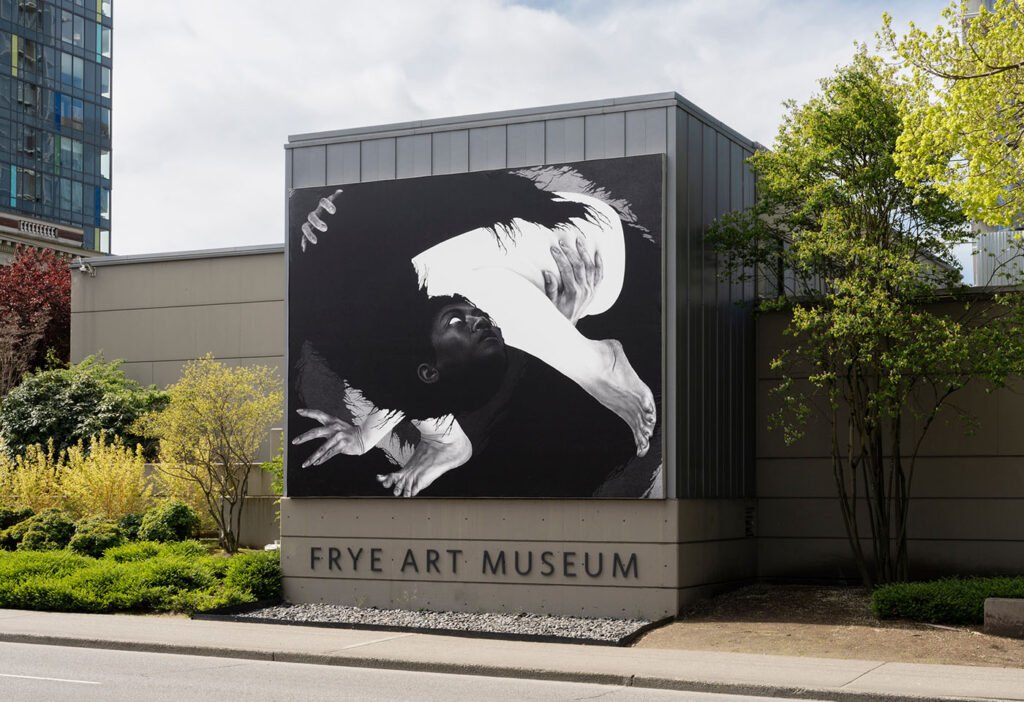
The Frye is “Seattle’s only free art museum,” in its own words, and admission is always free. The museum is on First Hill, about a 10-minute walk or a short streetcar ride from downtown. It is open Wednesday through Sunday, with late hours on Thursday until 8 p.m., and closed Monday and Tuesday.
Check the schedule before you go: at the time of writing the museum is closed for exhibition installation, with public hours resuming on Saturday, October 24.
- Where: 704 Terry Ave
- Hours: Wed–Sun, 11 a.m.–5 p.m.; Thursday until 8 p.m.
- Cost: Free
Highlight: You never need a free-day trick at the Frye. Admission is free every day it is open, and Thursdays stay open until 8 p.m.
Wing Luke Museum
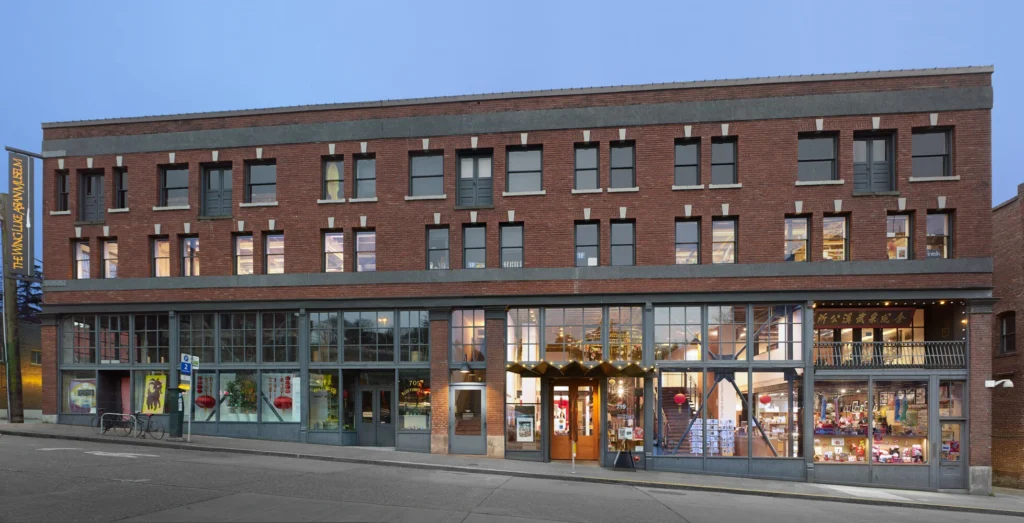
The Wing Luke Museum tells the Asian Pacific American story through exhibits, a historic hotel tour and community programs, in the heart of the Chinatown–International District. Adult admission is $25.95. General admission is free on the first Thursday of each month from May through October, 5 to 8 p.m., so the final one this season is already behind us. Children under 5 are always free.
- Where: 719 S King St
- Hours: Wed–Sun, 10 a.m.–5 p.m.
- Cost: $25.95 adults; free first Thursdays May–October; under 5 free
Panama Hotel Tea & Bookhouse
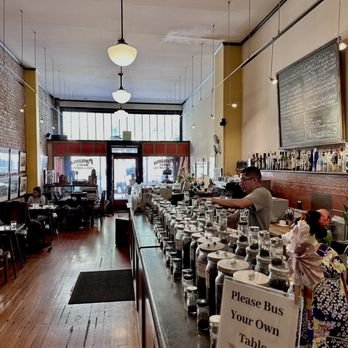
Built in 1910 and designed by Sabro Ozasa, the region’s first Asian American architect, the Panama Hotel in Japantown houses a street-level tea house serving teas from around the world. In the basement is Hashidate Yu, a Japanese communal bathhouse the Seattle Met calls the last intact one on the West Coast. When Japanese Americans were incarcerated in 1942, the hotel’s owners let neighbors store belongings in the building; more than 7,500 objects were catalogued in 2017.
It is a quiet, slow stop, and it fits a rainy afternoon. See our cozy date ideas for more places to linger.
- Where: 607 S Main St
- Cost: The price of a pot of tea
- Status: National Historic Landmark since 2006; Seattle city landmark since 2022
How to String These Together
For a half-day on foot, start at Waterfall Garden Park, walk to the Klondike visitor center and Union Station, then head to the Chinatown–International District for the Wing Luke Museum and the Panama Hotel. If you are driving, read our guide to free and cheap parking near downtown Seattle, and if the zone signs confuse you, see how Restricted Parking Zone signs work. If you are coming from the airport, our one-day itinerary near SeaTac can help you plan the other half of the trip. If you plan to visit paid attractions, compare CityPASS and C3 first.
Frequently Asked Questions
What are the best free hidden gems in downtown Seattle?
Waterfall Garden Park, Klondike Gold Rush National Historical Park, Union Station’s Great Hall, Freeway Park and the Frye Art Museum are all free.
What is there to do downtown when it rains?
The Frye, the Wing Luke Museum, the Klondike visitor center and the Panama Hotel tea house are all indoors. For more, see our indoor ideas for adults and for kids.
Is the Sky View Observatory better than the Space Needle?
It is higher, at nearly 1,000 feet, and often less crowded. The Space Needle is the more famous landmark, so choose based on whether you want the view or the icon.
Are these spots good for kids?
The Giant Shoe Museum and Waterfall Garden Park are quick, easy stops. Wing Luke and the Klondike visitor center suit older children.
Where are the big-name attractions?
See our guide to downtown Seattle’s must-see places for the market, the waterfront and the Space Needle.
Conclusion
Pick one gem near wherever you already are, and give it 15 minutes. The best ones here, the waterfall, the Great Hall and the free Frye, fit between bigger plans. For more ideas, see what is only happening in Seattle in October or the UW Biology Greenhouse, another hidden gem a short ride north.
References
- Giant Shoe Museum, Pike Place Market: https://pikeplacemarket.org/vendor/giant-shoe-museum
- A Local’s Guide to Pike Place Market After Dark, Seattle Times: https://theticket.seattletimes.com/city-guides/a-guide-to-pike-place-market-after-dark/
- Waterfall Garden Park, Pioneer Square: https://www.pioneersquare.org/the-neighborhood/attractions/waterfall-garden-park
- Klondike Gold Rush National Historical Park, Pioneer Square: https://www.pioneersquare.org/the-neighborhood/attractions/klondike-gold-rush-national-historical-park
- Pioneer Square pergola, Wikipedia: https://en.wikipedia.org/wiki/Pioneer_Square_pergola
- Union Station, Atlas Obscura: https://atlasobscura.com/places/union-station
- Freeway Park, The Cultural Landscape Foundation: https://tclf.org/content/freeway-park-past-present-and-future
- Frye Art Museum, plan your visit: https://fryemuseum.org/visit
- Wing Luke Museum, visitor’s guide: https://www.wingluke.org/visit
- Panama Hotel, Seattle Met: https://www.seattlemet.com/news-and-city-life/2022/09/panama-hotel-landmark-in-seattle-japantown-preserves-japanese-american-history-heritage